- Budget: Set a clear price range and stick to it, or state the maximum amount you don't want to exceed. There’s a diamond for every budget.
- Shape: There are many diamond shapes. Find out what your partner prefers—round, square, or rectangular is a good starting point if you don’t know the exact cut.
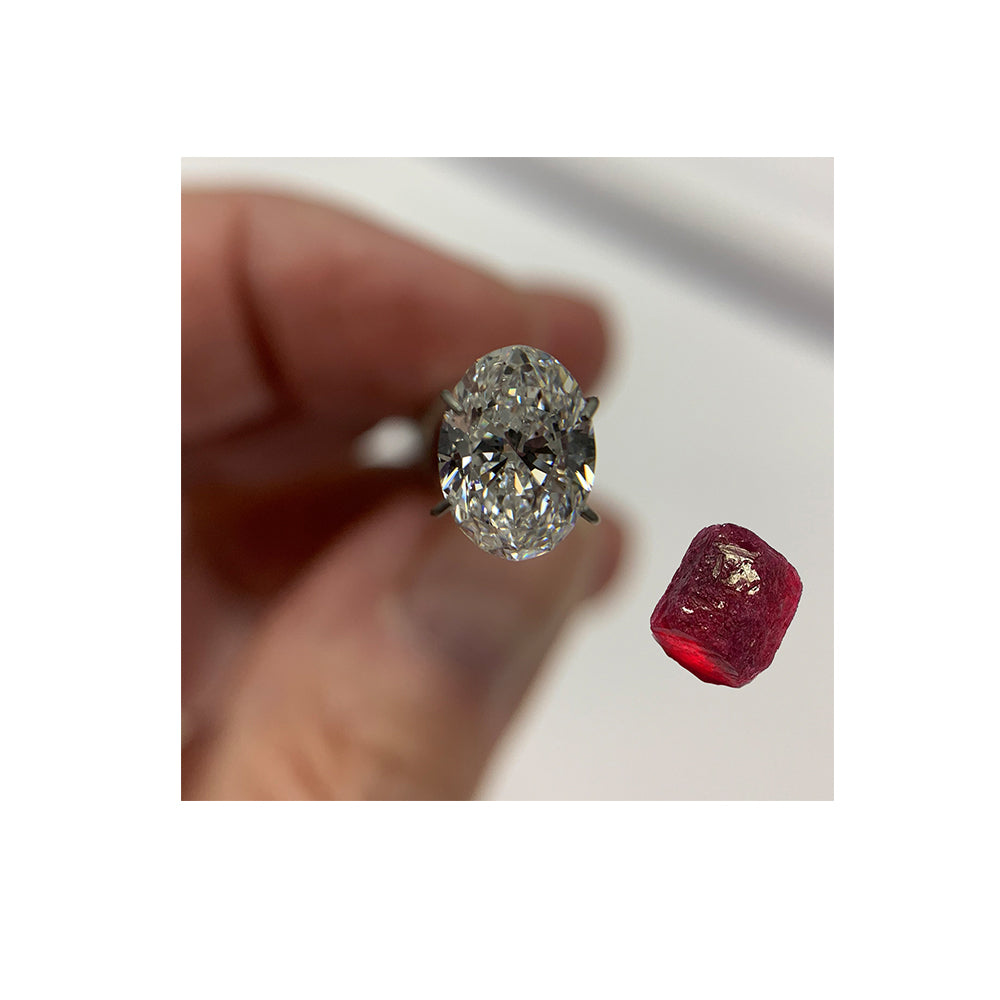
- Mounted stones: When viewing a diamond in a setting, some inclusions may be hidden. Ask the jeweler to point out any imperfections and show them to you.
- Know the imperfections: Imperfections are natural—know what they are and how or if they affect appearance and value before buying.
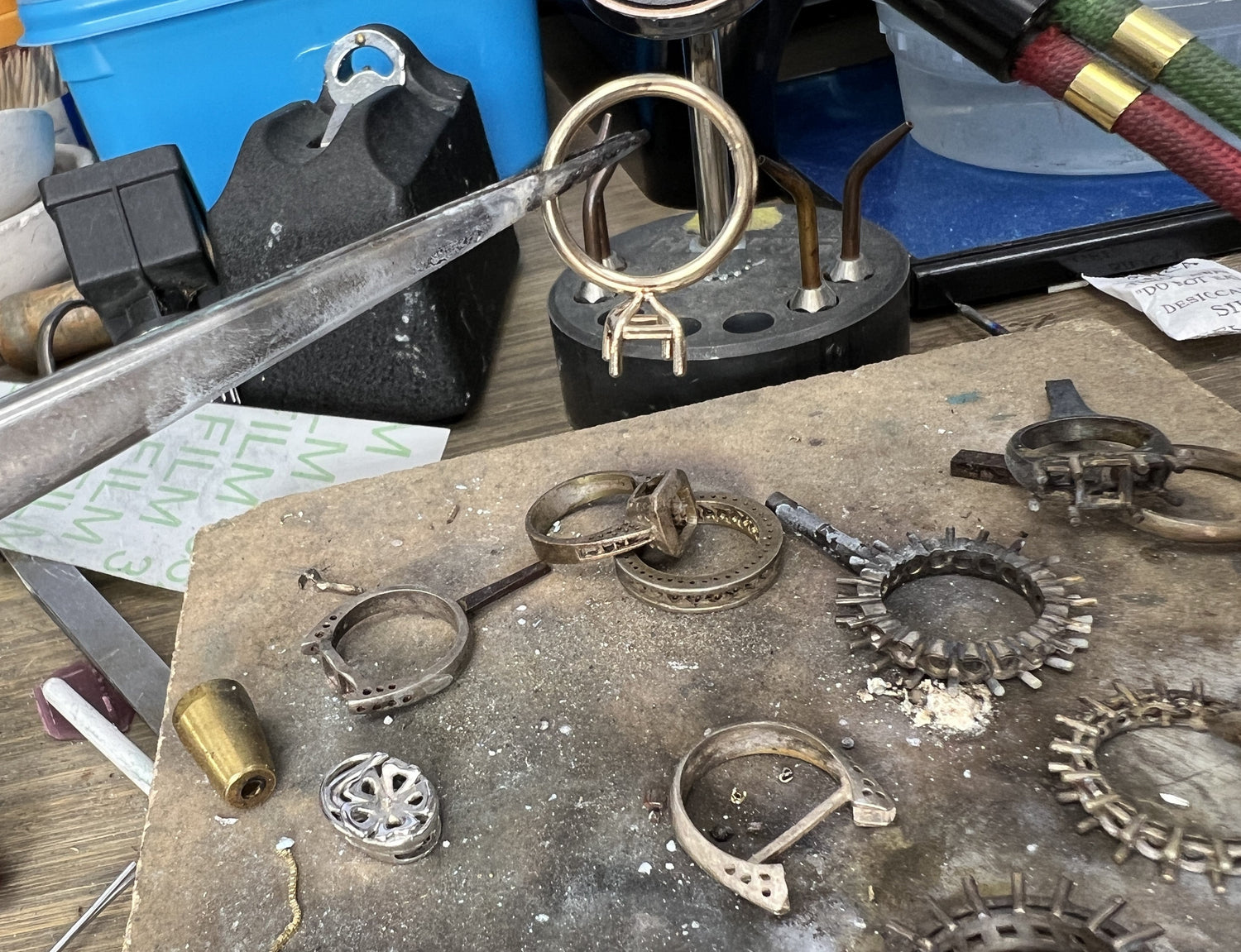
- Maintenance: Realize that designing a ring with a jeweler is the beginning of a long-term relationship. Jewelry requires maintenance: stones can chip, stones can fall out, gold can wear or break, and a broken prong can cause diamonds to fall out. It's good practice to have your jeweler check your jewelry on average once a year. Make sure you have a jeweler that won't charge you every time they see you, it's part of the 'relationship'.
- Cleanings & repairs: Ask whether the jeweler offers free cleanings. And whether resizing after the initial purchase is free or if they charge.
- Referrals & reputation: Ask friends and family for trusted referrals. If you don’t have referrals, read reviews and check the jeweler’s online presence to avoid a fly-by-night seller.
- Trust your instincts: After gathering all the information, remember that choosing a ring, a diamond and your jeweler is personal- ultimately, follow your heart.